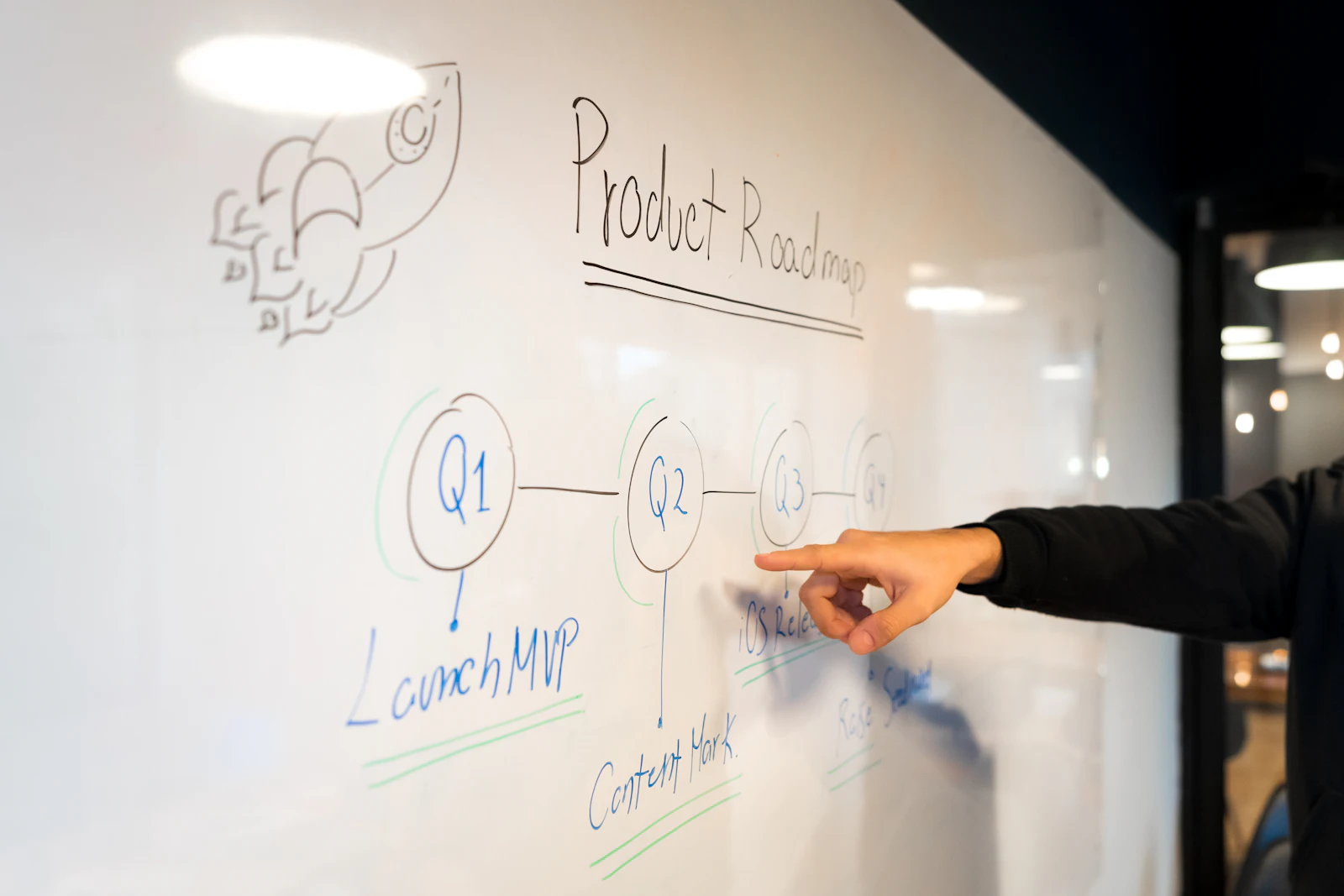
 Scoping an MVP
How to decide what goes into a first release, and what waits for the second.
Scoping an MVP
How to decide what goes into a first release, and what waits for the second.
A lab for working software.
Hill Tech Labs designs and builds web apps, mobile apps, and the APIs that connect them for small and mid-size businesses. We work in two-week sprints you can see, and we hand over code you own.

Four kinds of working software.
A typical project mixes them: an app your customers use, the screens your staff use to run it, and the integrations that keep both in step with the tools you already pay for.
-
01
Web applications
Customer portals, booking and ordering systems, dashboards, and the admin screens behind them. Built for any modern browser and any screen size.

-
02
Mobile apps
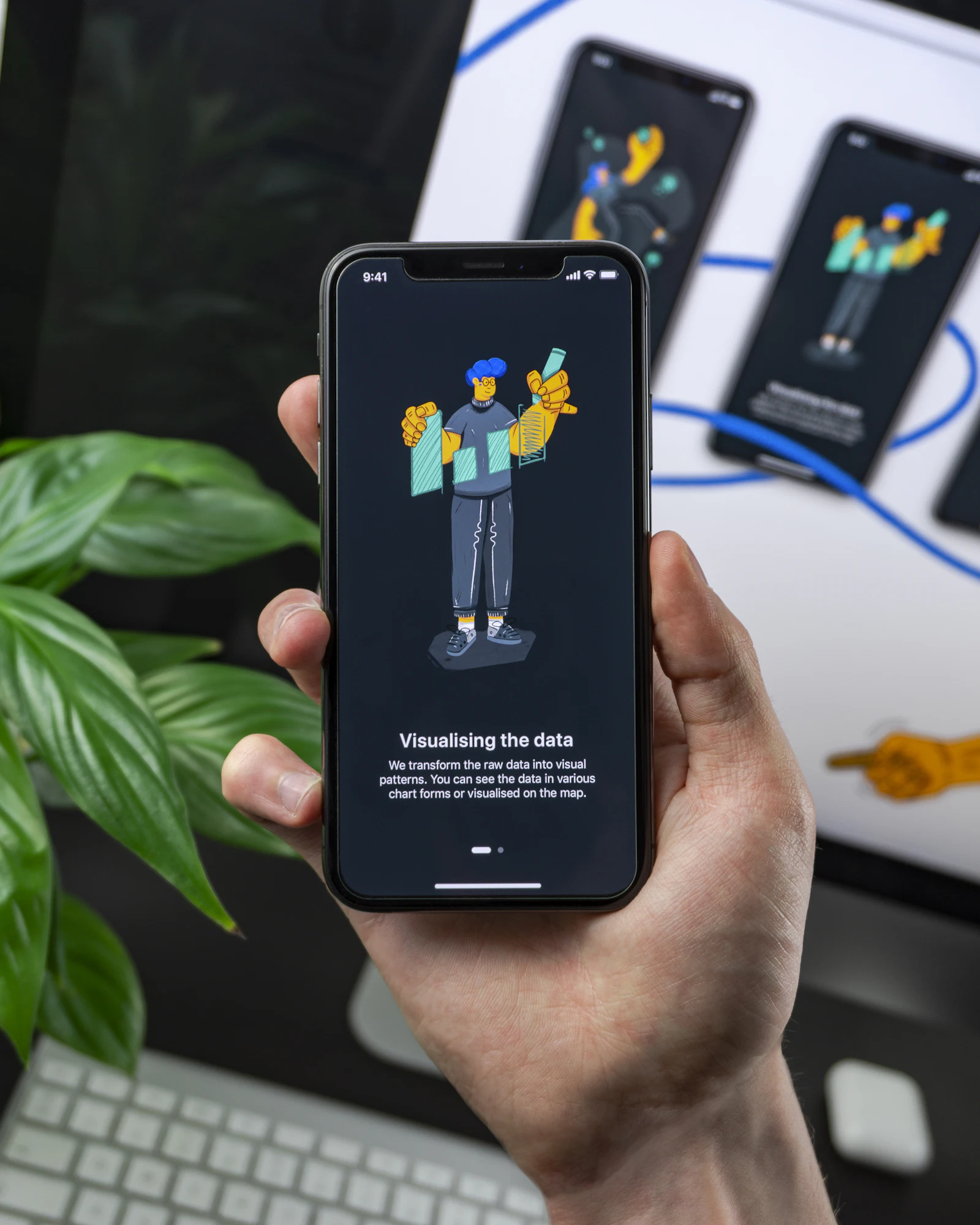
iOS and Android apps, native or cross-platform, for your customers or for your team in the field.
-
03
Internal tools
Replace the shared spreadsheet, the paper form, and the inbox full of requests with software shaped around how your team works.

-
04
APIs and integrations
Connect payments, CRM, accounting, inventory, and scheduling, and keep the data moving reliably between them.

EXP-02Build sequence
From wireframe to shipped.
Scroll to run the sequence
- 01
Wireframe
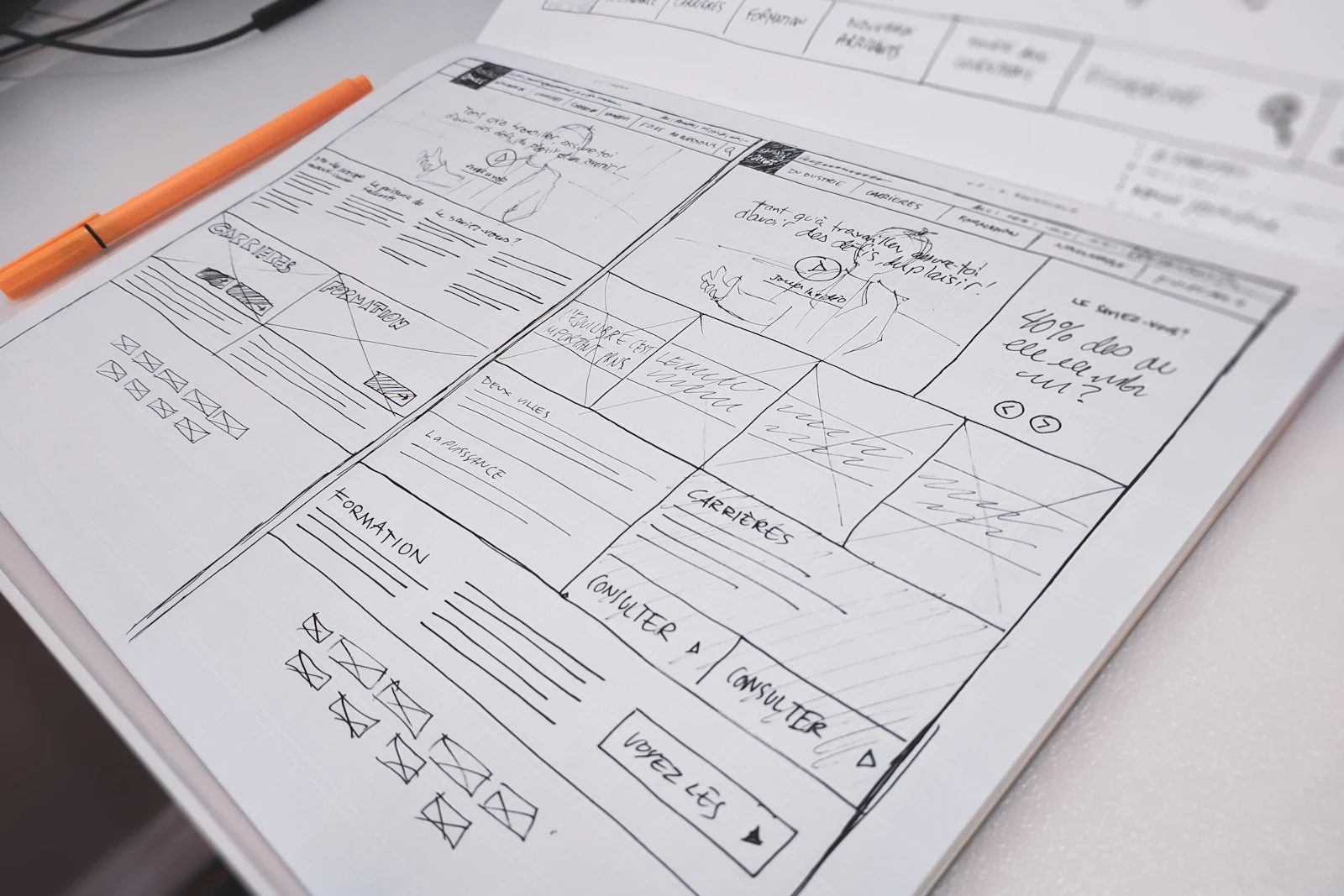
Structure first: the screens, the flows between them, and what each one has to do, agreed before anything is styled.
- 02
Interface
The wireframe becomes a designed interface: type, color, spacing, and every state, built from a shared component library.
- 03
Code
Each component maps to real code. API calls, accessibility attributes, and tests are written alongside the interface, not after it.
- 04
Shipped
Working software in production, with the repository, the documentation, and every account handed to you.
Five phases, each with something you keep.
We plan in the open and work in short cycles, so you see progress every two weeks instead of at the end.
- PH-1
Discovery sprint
One to two weeks of questions, workshops, and research.
You receiveA written brief, a prioritized backlog, a technical approach, and an estimate range.
- PH-2
Design
Wireframes first, then interface design and a clickable prototype.
You receiveScreen designs, a prototype you can test, and a component library.
- PH-3
Build sprints
Two-week cycles, each one ending in a demo of working software.
You receiveA working build every sprint and a written update every week.
- PH-4
Launch
Release planning, final QA, app store submission, and go-live.
You receiveA production release, a runbook, and the keys to every account.
- PH-5
Evolve
Watch how it is used, fix what gets in the way, and plan the next release.
You receiveMaintenance, platform updates, and a roadmap for what comes next.

The standards we build to.
Spec sheet HTL-STDApplies to every build
AccessibilityWCAG 2.2, Level AAKeyboard, screen reader, contrast, and target-size checks before each release.
PerformanceLCP ≤ 2.5 s INP ≤ 200 ms CLS ≤ 0.1The Core Web Vitals “good” thresholds, read at the 75th percentile of page loads.
SecurityOWASP ASVS 5.0Level 1 as the floor for every app, Level 2 for apps that handle sensitive data.
TestingAutomated + real devicesUnit, integration, and end-to-end tests run on every change.
HandoffYour repo, your accountsCode, cloud, and app store accounts sit under your name from day one.
DocumentationWritten as we goA README, architecture decision records, an API reference, and a runbook.
PrivacyBy designCollect less, keep it for less time, and protect what you keep.
Four ways to work together.
Pick the shape that fits how certain your scope is and how long you need help. You can move between them as the product grows.

M-1
Fixed-scope project
Best forA clearly defined build.
ShapeScope, timeline, and price agreed in writing after discovery.
M-2
Product sprint
Best forNew products and first releases.
ShapeA fixed team for a set number of two-week sprints. Scope is prioritized as you learn.
M-3
Dedicated team
Best forOngoing product work.
ShapeA standing team that works from your backlog, month to month.
M-4
Care plan
Best forSoftware that is already live.
ShapeUpdates, monitoring, fixes, and small improvements, every month.
Lab notes.
Scoping an MVP
How to decide what goes into a first release, and what waits for the second.
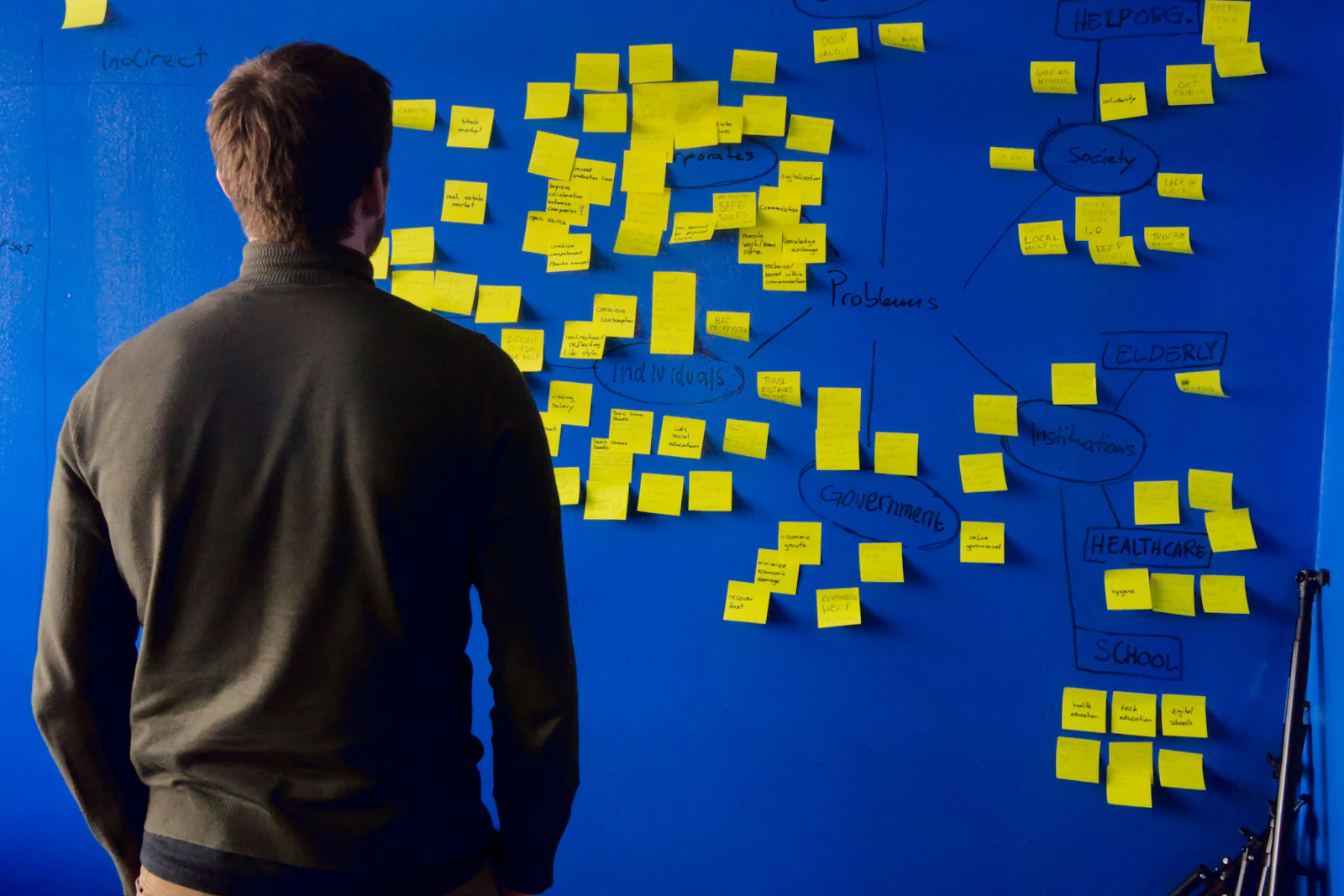 What a discovery sprint produces
The documents and decisions you should hold after one or two weeks of discovery.
Native vs. cross-platform
How to choose between Swift and Kotlin, or one shared codebase, for your app.
What a discovery sprint produces
The documents and decisions you should hold after one or two weeks of discovery.
Native vs. cross-platform
How to choose between Swift and Kotlin, or one shared codebase, for your app.
Tell us what you are building.
Describe the problem, who it affects, and where things stand today. We reply by email.
contact@hilltechlabs.com